Jupiter

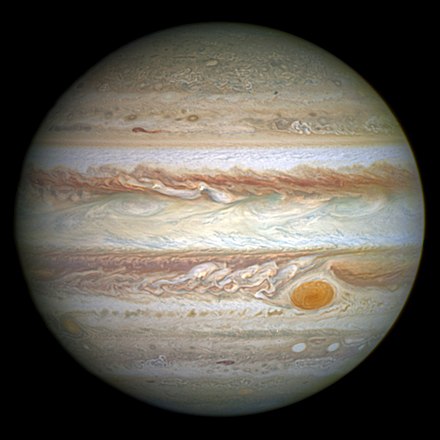
Jupiter is the fifth planet from the Sun and the largest in the Solar System. It is a giant planet with a mass one-thousandth that of the Sun, but two-and-a-half times that of all the other planets in the Solar System combined. Jupiter is a gas giants and has been known to astronomers since antiquity.…
Saturn

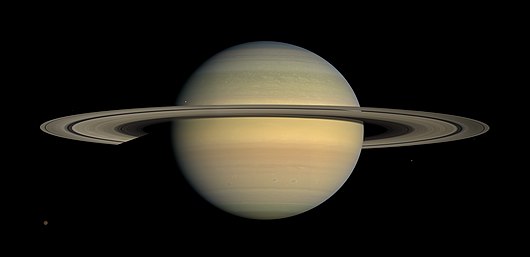
Saturn is the sixth planet from the Sun and the second-largest in the Solar System after Jupiter. It is a gas giant with an average radius about nine times that of Earth. The planet’s most famous feature is its prominent ring system that is composed mostly of ice particles, with a smaller amount of rocky debris and dust. At least 62 moons are known to orbit Saturn, of which 53…

Uranus

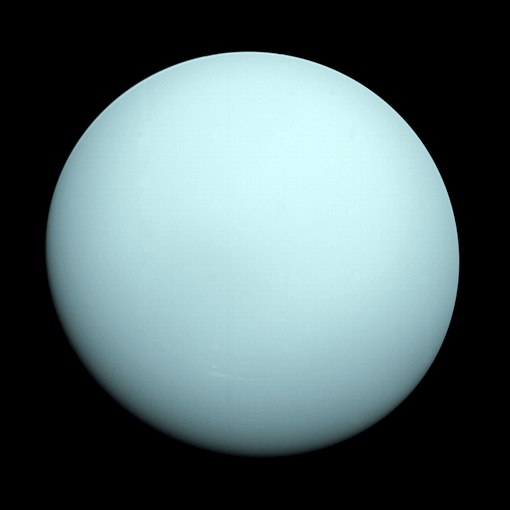
Uranus from the Latin name Ūranus for the Greek god Οὐρανός is the seventh planet from the Sun. It has the third-largest planetary radius and fourth-largest planetary mass in the Solar System. Uranus is similar in composition to Neptune, and both have bulk chemical compositions which differ from that of the larger gas giants Jupiter and Saturn. For this reason, scientists often classify Uranus and Neptune as “ice giants”…

Neptune

Neptune is the eighth and farthest known planet from the Sun in the Solar System. In our Solar System it is the fourth largest planet by diameter, the third most massive planet, and the densest giant planet. Neptune is 17 times the mass of Earth, slightly more massive than its near twin Uranus. Neptune is denser and physically smaller than Uranus because its…

Pluto

Pluto, which now has a “minor planet designation” is a dwarf planet in the Kuiper belt which is a ring of bodies beyond Neptune. It was the first Kuiper belt object to be discovered and is the largest known plutoid or ice dwarf. Pluto is the largest and second most massive (after Eris) known dwarf planet in our…

Galaxy

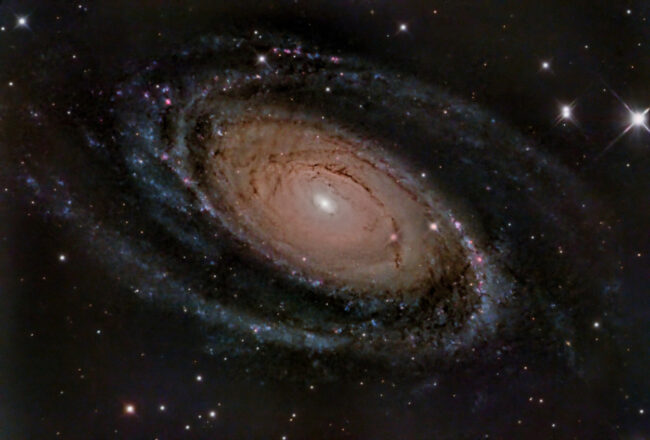
A galaxy is a huge collection of gas, dust, and billions of stars and their solar systems. A galaxy is held together by gravity. Our galaxy, the Milky Way, also has a supermassive Black Hole in the middle. Some galaxies are spiral-shaped like ours. They have curved arms that make it look like a pinwheel. Other galaxies are…

Nebula

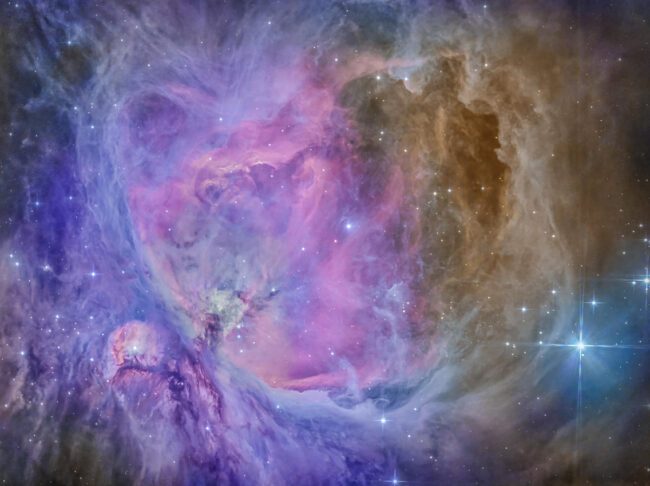
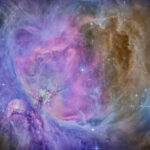
A nebula is a giant cloud of dust and gas in space. Some nebulae (more than one nebula) come from the gas and dust thrown out by the explosion of a dying star, such as a supernova. Other nebulae are regions where new stars are beginning to form. For this reason, some nebulae are called “star nurseries.” Most nebulae…

Star Cluster

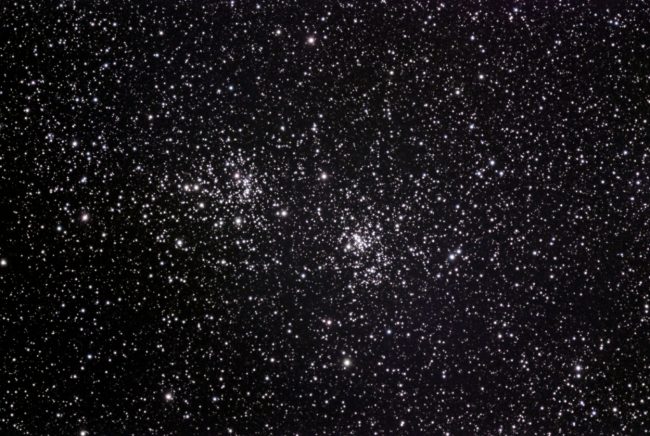
Star clusters are groups of stars. There are two types of star clusters. Globular clusters are tight groups of hundreds or thousands of very old stars which are gravitationally bound and Open clusters which are more loosely clustered groups of stars, generally they contain fewer than a few hundred members, and are often very young. Open…