Our Solar System

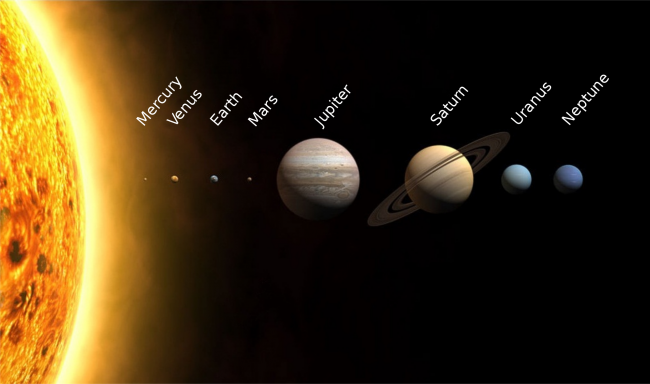
The Solar System is the gravitationally bound planetary system of the Sun and the objects that orbit it either directly or indirectly. Of the objects that orbit the Sun directly the largest are the eight planets with the remainder being smaller objects such as the five dwarf planets and small Solar System bodies. The Solar…

Sun

The surface of the Sun is a very busy place. It has electrically charged gases that generate areas of powerful magnetic forces. These areas are called magnetic fields. The Sun’s gases are constantly moving, which tangles, stretches and twists the magnetic fields. This motion creates a lot of activity on the Sun’s surface, called solar activity. Sunspots are…

Mercury

Mercury is the smallest and innermost planet in the Solar System. Its orbital period around the Sun of 87.97 days is the shortest of all the planets in the Solar System. It is named after the Roman deity Mercury, the messenger of the gods. Mercury orbits the Sun within Earth’s orbit as an inferior planet, and never exceeds 28° away from the Sun when viewed from…

Venus

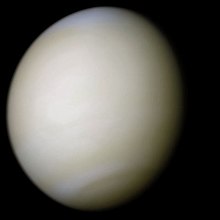
Venus is the second planet from the Sun, orbiting it every 224.7 Earth days. It has the longest rotation period of 243 days of any planet in the Solar System and rotates in the opposite direction to most other planets meaning the Sun rises in the west and sets in the east. It does not have any natural satellites. Venus is named after the…

Planet Earth

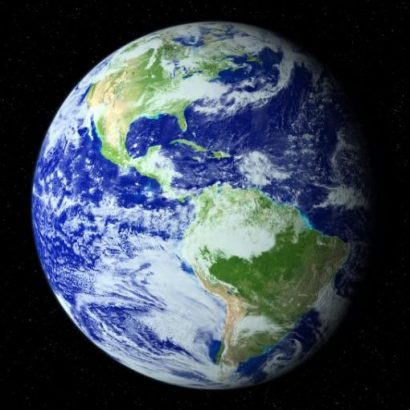
Our home planet Earth is a rocky, terrestrial planet. It has a solid and active surface with mountains, valleys, canyons, plains and so much more. Earth is special because it is an ocean planet. Water covers 70% of Earth’s surface. Our atmosphere is made mostly of nitrogen and has plenty of oxygen for us to breathe. The…

Moon

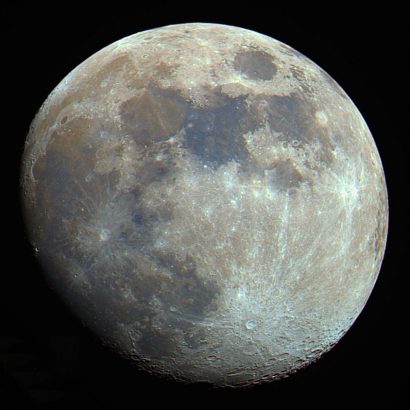
Earth’s Moon is the only place beyond Earth where humans have set foot. The brightest and largest object in our night sky, the Moon makes Earth a more livable planet by moderating our home planet’s wobble on its axis, leading to a relatively stable climate. It also causes tides, creating a rhythm that has guided…

Mars

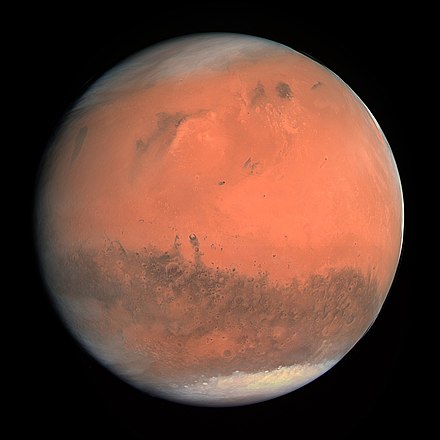
Mars is the fourth planet from the Sun and the second-smallest planet in our Solar System after Mercury. In English, Mars carries a name of the Roman god of war, and is often referred to as the “Red Planet” because the reddish iron oxide prevalent on its surface gives it a reddish appearance that is distinctive among the astronomical bodies visible to the naked eye. Mars is…

Jupiter

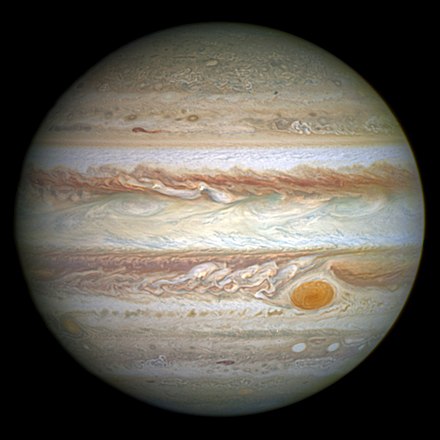
Jupiter is the fifth planet from the Sun and the largest in the Solar System. It is a giant planet with a mass one-thousandth that of the Sun, but two-and-a-half times that of all the other planets in the Solar System combined. Jupiter is a gas giants and has been known to astronomers since antiquity.…

Saturn

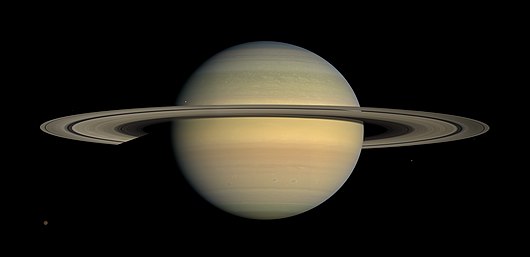
Saturn is the sixth planet from the Sun and the second-largest in the Solar System after Jupiter. It is a gas giant with an average radius about nine times that of Earth. The planet’s most famous feature is its prominent ring system that is composed mostly of ice particles, with a smaller amount of rocky debris and dust. At least 62 moons are known to orbit Saturn, of which 53…

Uranus

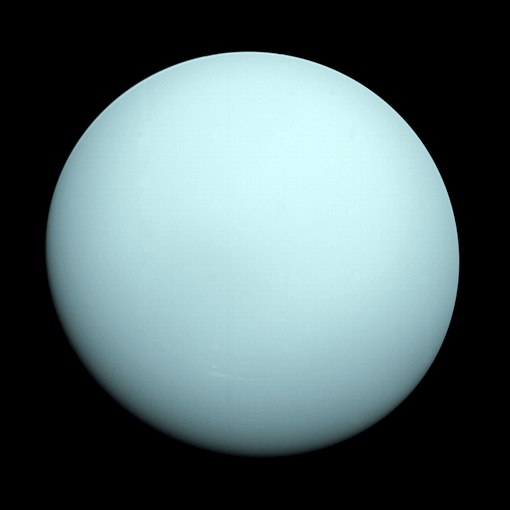
Uranus from the Latin name Ūranus for the Greek god Οὐρανός is the seventh planet from the Sun. It has the third-largest planetary radius and fourth-largest planetary mass in the Solar System. Uranus is similar in composition to Neptune, and both have bulk chemical compositions which differ from that of the larger gas giants Jupiter and Saturn. For this reason, scientists often classify Uranus and Neptune as “ice giants”…